
Seasonal Storm Prep: Why Hurricane & Tornado Doors Matter
Author: David Stammen, Director, Windstorm Opening Solutions, ASSA ABLOY
As storm season approaches, building owners, facility managers, and architects face critical decisions about protecting occupants from severe weather events with proper seasonal storm prep. Whether you’re on the coast preparing for hurricanes or in tornado-prone regions of the heartland, understanding the role of storm-resistant steel doors can mean the difference between safety and catastrophe.
The Challenge: Aesthetics Meets Protection
Steel storm doors face a unique design challenge due to the heavier gauge steel used to meet the high structural loads and impact energy resistance as required by the building codes. The real challenge lies in making these robust barriers aesthetically appealing while maintaining their lifesaving performance.
Fortunately, steel door manufacturers have developed several options to balance protection with appearance:
- Creating custom finishes that will match and enhance building aesthetics
- Including vision lights (glass inserts) which are particularly useful in school doors and applications where visibility is important
- Selecting concealed hardware with multi-point lock systems featuring internal door components for a cleaner, polished look
- Using surface-mounted hardware when mechanical visibility isn’t a concern
- Choosing integrated access control systems with card readers when managing entry is critical
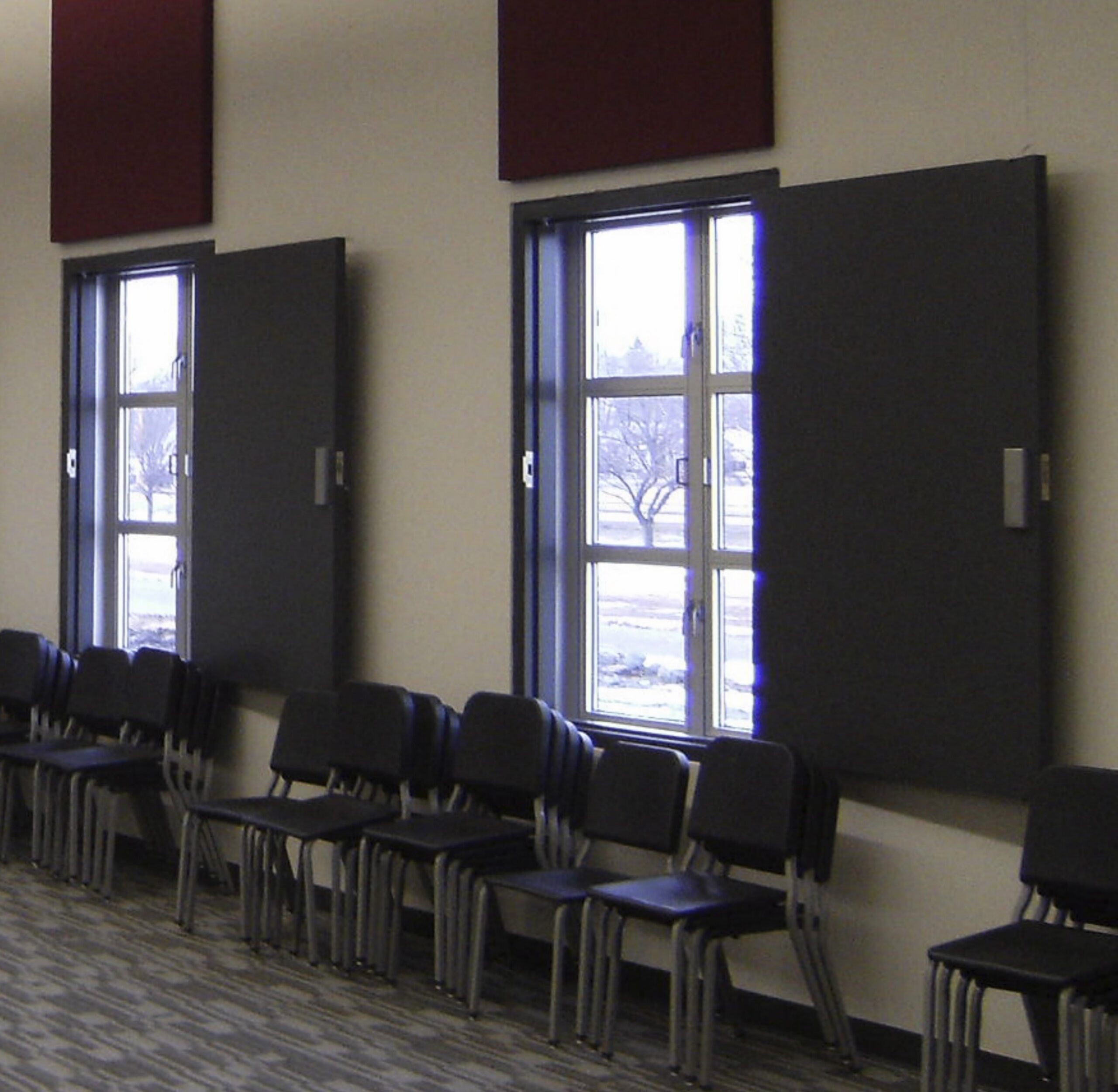
However, every aesthetic modification comes with a critical constraint: any change must not compromise the door’s performance and 3rd party certification (if applicable). Manufacturers must work closely with their certification bodies when making any product improvements or changes that could affect the products listing, or have those changes evaluated with a state-licensed Professional Engineer (PE).
Understanding the Difference: Hurricane vs. Tornado Protection
While both hurricane and storm shelter doors must withstand extreme conditions, their testing requirements differ significantly based on the nature of these weather events.
Hurricane resistant steel doors are tested with a 9 lb. 2×4 projectile at much lower speeds resulting in a much lower impact energy than what is experienced when testing storm shelter doors. These doors are common along coastal regions and must resist sustained and cyclic wind pressures and flying debris typical of coastal storms. Many hurricane door assemblies are engineered to withstand wind speeds ranging from 110 to 150 mph. These products are rigorously designed, tested, and listed to comply with exacting standards set forth in ANSI A250.13.
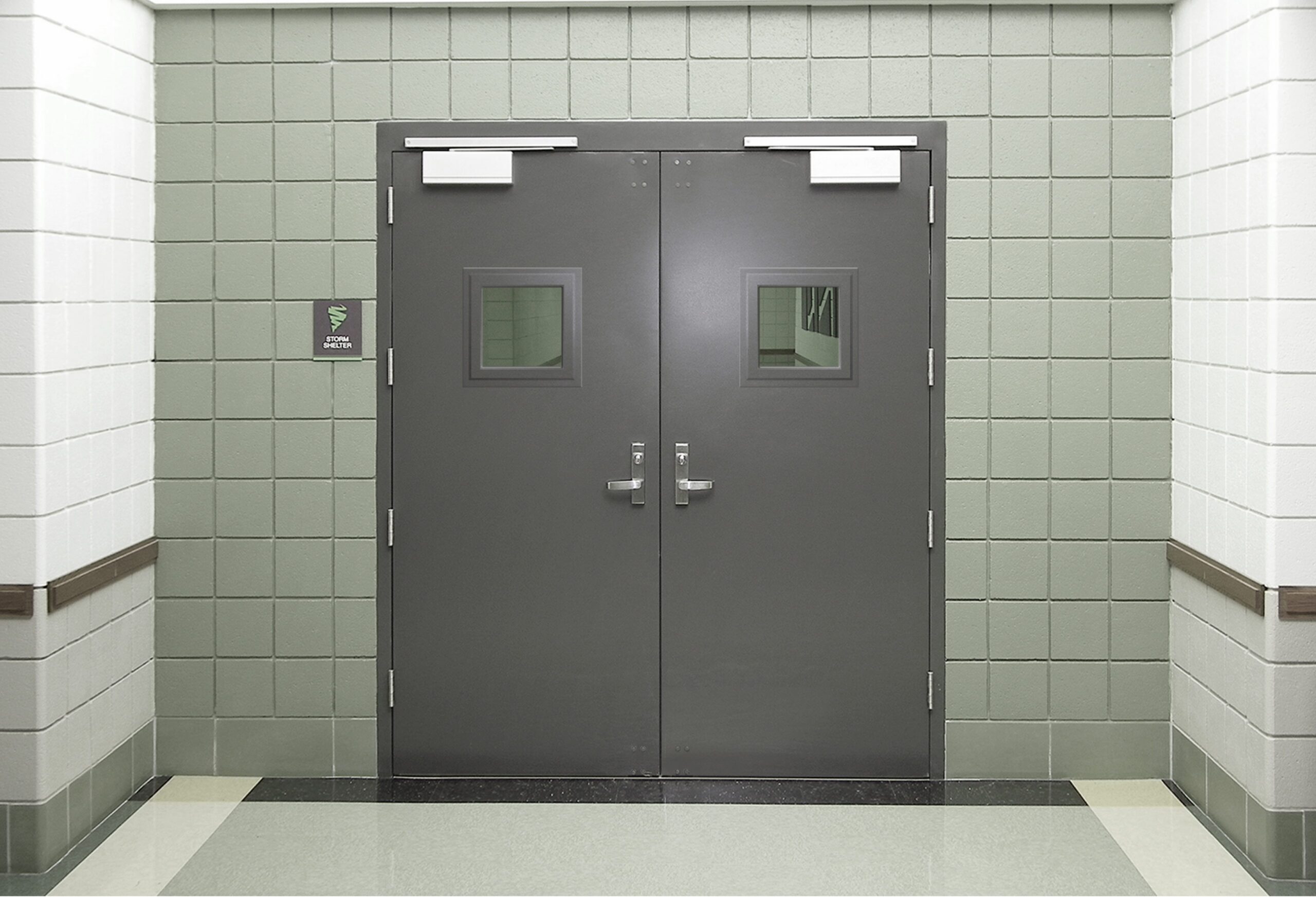
Storm Shelter steel doors face more extreme testing standards. They must withstand a 15 lb. 2×4 fired at 100 mph, and pressures over 250 PSF. Unlike hurricanes, tornadoes are short duration events, but they deliver significantly higher impact energy from flying debris. Standard and hurricane rated steel doors are not tornado-resistant unless they have been tested and certified as part of a complete assembly per ICC 500 as required in the International Building Code (IBC) or complying with the FEMA P-361 guideline.
SDI Certified manufacturers offer hurricane and tornado door assemblies developed to withstand extreme design pressures and protection from flying debris generated from these severe storm events.
Storm Shelter Code Requirements: Who Must Comply?
The U.S. building code standard for all storm shelters, regardless of location, is ICC 500. This comprehensive standard covers the minimum design and construction requirements for storm shelters, including the testing of impact-protective systems, occupancy limits, fire safety, and much more.
Section 423 of the IBC mandates storm shelters in specific circumstances. If you’re building in the 250-mph wind zone, which covers 22 states, storm shelters are required by code for:
- K-12 schools (Group E) with an aggregate occupant load of 50 or more
- Emergency centers including 911 call stations, emergency operations centers, rescue stations, ambulance facilities, and police stations
The International Existing Building Code (IEBC) now also requires that additions to existing buildings in the 250-mph zone must include a storm shelter if the addition will house 50 or more people. For residential properties, storm shelters aren’t mandated by code, but if homeowners choose to install one, it must comply with the ICC 500 standard.
Storm Shelters: More Than Just a Reinforced Room
Not every building with hurricane or tornado resistant doors requires a full storm shelter, unless required by code. Many commercial buildings feature hurricane-rated exterior doors for coastal wind-borne debris protection, while also including a hardened interior room, such as a restroom, cafeteria, or gymnasium, as the designated storm shelter with higher-rated doors complying with ICC 500.

The design philosophy assumes the worst-case scenario: during a tornado event, the rest of the building may be completely destroyed, leaving only the hardened storm shelter standing. This philosophy drives critical design rules, particularly regarding egress.
Critical Design Rule
Avoid designing egress paths through a storm shelter. If panic hardware is placed on the exterior (threat side) of the shelter, it could be compromised by debris or pressure when the rest of the building is destroyed. Architects should route egress around storm shelters, not through them.
Space requirements also differ by storm shelter type, which is also spelled out in ICC 500. Tornado shelters require only 5 square feet per person due to the quick nature of the event (minutes to hours), while hurricane shelters require larger square footage allocations because occupants may need to remain for multiple days.
Testing & Certification: No Room for Shortcuts
Accredited testing and third-party certification is non-negotiable for storm shelter impact-protective systems (IPS) such as doors. Testing targets the weakest locations in storm shelter IPS products because assemblies such as doors are impacted at different locations than windows or rolling steel doors. IPS products must withstand multiple impacts with strict criteria preventing any debris from flying off inside the shelter and possibly injuring the protected occupants.
Certification bodies that serve the storm shelter industry are Underwriters Laboratories (UL), Intertek (ITS), ICC NTA, and a few others.
More test labs are available now than a decade ago, but all must have properly calibrated testing equipment, including the 2×4 “cannon”, as well as the technical capabilities to conduct the test, and all must be accredited or accepted by the certification body.



Installation & Inspection: Maintaining Life Safety
Even perfectly tested and certified products can fail if improperly installed. Installation of these life-safety products must follow the manufacturer’s instructions exactly, using only approved frame anchors and methods, and spaced per the instructions. When installers take shortcuts or use “simpler ways” to do things, it will most certainly compromise the assembly’s performance.
A significant recent development is the addition of inspection requirements into ICC 500. Previously, no formal inspection protocols existed, leading to situations where 20-year-old installations might have doors that no longer latch properly, floor strike plates being filled with mud from foot traffic, or hardware that doesn’t engage correctly.
Some manufacturers now offer inspection services to verify proper installation of the entire assembly, as well as proper hardware operation and latching engagement, which is a crucial step to ensure these systems operate properly in the time of need.
Three Critical Success Factors
As storm season approaches, these principles provide a framework for making informed decisions about storm protection. For storm shelters to provide reliable protection, three elements must align:
- Products must be fully tested and listed by accredited third parties, and properly labeled by the manufacturer
- Installation must follow manufacturer instructions exactly – no shortcuts
- Regular inspections must be conducted to ensure continued proper operation and safety
Storm preparation begins long before severe weather appears on the forecast. For owners, architects, specifiers, and distributors, selecting the appropriate door assemblies can significantly improve a building’s resilience and help protect occupants when conditions become dangerous.
Whether the project is located along a hurricane-prone coastline, or in Tornado Alley, properly specified steel door assemblies provide a critical layer of protection. By understanding the unique requirements of hurricane-resistant doors, as well as storm shelter openings with ICC 500 approved doors, design professionals can help create safer, more resilient buildings prepared for whatever the season may bring.
Additional Resources
SDI 136
Guideline for Specifying Windstorm Products for non-residential construction
Tornado Resistant Steel Doors
Find more information on tornado resistant assemblies and relevant test standards.
Article
Storm Tested, Shelter Approved: What You Need to Know About Tornado Doors
Hurricane Resistant Steel Doors
Learn how hurricane resistant assemblies protect people & property during storms.